
Peace of Mind Included
Warranty Information
Every Rise home comes with warranty coverage and the resources to help you care for it — from your first year through the long term.
OVERVIEW
Your Rise Home Warranty
Here’s an overview of your home’s warranty periods, along with maintenance resources for reference and review.
Year Workmanship
This first year is about the quality of how your home was built and finished — the drywall, paint, cabinetry, and trim being done correctly. It focuses on the construction itself, not on everyday living once you’ve moved in. Normal use — a scuff on a wall, a scratch on a counter, general wear over time — is a normal part of owning a home and part of routine upkeep.
Year Systems
This period covers your home’s major working systems — the heating and cooling, electrical, and plumbing that run behind the walls, along with connections such as your water heater and gas lines. It’s focused on those systems performing as they should from how they were originally installed.
Year Structural
Your home’s structure — the foundation, load-bearing walls, and framing that hold everything together — is built for the long term. Structural situations can be complex and no two are alike, so when one comes up we look at it individually to understand what’s happening and do right by it. The specifics are described in your warranty documents.
YOUR NEW HOME
Getting to know your home
Here are the main parts of your home – and the simple, routine care that keeps each one in good shape.
Year 1 Builder Warranty + Buyer Proactive Long Term Maintenance
Finishes & details — the surfaces you live with every day.
- Paint & caulk — touch up as they age
- Flooring — clean and protect from wear
- Cabinets & hardware — wipe down regularly
- Doors & windows — keep moving smoothly
- Trim & siding — rinse and inspect seasonally
Year 2 Builder Warranty + Buyer Proactive Long Term Maintenance
Home systems — the mechanical, electrical, and plumbing behind the walls.
- Heating & cooling — replace filters on schedule
- Electrical — reset a tripped GFCI or breaker
- Plumbing & fixtures — watch for drips, clear slow drains
- Water heater — flush periodically per the manual
- Gas — know where your shutoff is
Year 10 Builder Warranty + Buyer Proactive Long Term Maintenance
Structure — the foundation and framing that hold everything together.
- Foundation — keep soil moisture around it steady
- Drainage & grading — keep water flowing away
- Gutters & downspouts — clear them seasonally
- Roof — watch for and report leaks early
- Framing — note any new movement and reach out
For details about your warranty, read the warranty documents you received at closing. These maintenance resources are also available for download:
NEW HOME OWNER GUIDE
Everything You Need To Know
Your First 30 Days: The Punch List
Your first 30 days in the home are your window to find and document anything that needs attention. Use this time deliberately. Live in the house, run everything, and look closely.
Open and close every door and window. Run every faucet, shower, and tub. Test each outlet and light switch. Run the heating and cooling. Check the appliances. Walk the exterior. Look at ceilings, walls, floors, trim, and cabinetry in good daylight.
As you find things, submit them through BuilderTrend with a clear description and photos. Be specific — “hairline crack in drywall above the hall closet door” tells us far more than “crack in wall,” and it means the right trade shows up prepared the first time.
Getting everything on the list within this window matters. It creates a documented record of your home’s condition at move-in, and it lets us group the work efficiently rather than making repeat trips. Items found later are still handled through the same process, but the first 30 days is when the list is most complete and the work moves fastest.
How do I submit a warranty request?
Warranty requests are submitted through BuilderTrend, either in the app or at www.buildertrend.net
Your login is tied to the email address on your contract file. If you need access, use the “Forgot Password” link to reset it — and check your spam or junk folder for the reset email, since it sometimes lands there.
Once your request is submitted, our warranty coordinator reviews it and follows up with you through BuilderTrend to schedule a site assessment.
What should I know about my coverage?
In general, a builder warranty focuses on how your home was built — the construction and installation itself. Your warranty documents describe what’s included and for how long.
Everyday use and routine upkeep are a normal part of owning a home, and staying on top of them helps your home hold up well over time.
For the specifics of your coverage, see the warranty documents you received at closing.
Is my warranty transferable if I sell?
Yes — the long-term structural coverage stays with the home, not with the original owner. It’s provided through the 2-10 Home Buyers Warranty program, so if you sell during the coverage period, that protection carries forward to the next owner.
It’s a real selling point, and something you can share confidently with a buyer.
The shorter-term workmanship and systems coverage is tied to your original closing and doesn’t extend to a new owner.
Transfer steps and requirements are set by the 2-10 program — see your 2-10 documents, or reach out through BuilderTrend and we’ll point you to the right process & steps.
How do I protect my investment?
Routine maintenance. It’s the single biggest factor in how well your home performs over time — and it’s almost entirely in your hands.
The first couple of years are when good habits pay off the most. Simple things done on schedule — changing HVAC filters, keeping caulk and paint touched up, clearing gutters, watching drainage around the foundation — prevent the small issues that turn into big ones. A home that’s cared for stays comfortable, runs efficiently, and holds its value.
Keep a record. Jot down what you do and when: filter changes, water heater flushes, any service visits, appliance registrations. Keep receipts and manuals together. This takes a few minutes and gives you a maintenance history for your home — useful when you sell, when you need a manufacturer’s appliance warranty request, and any time you want to know when something was last serviced.
The maintenance manuals available on this page walk you through what to do and when.
How will I know what's happening with my request?
Every request submitted through BuilderTrend is tracked, so you can see its status and any updates in one place rather than wondering where things stand.
Timing varies by the type of work. Some items are quick. Others depend on scheduling with the right trade, ordering materials, or coordinating more than one crew & structural work naturally takes longer than a small finish repair.
Rather than guess at a date, we keep the details in BuilderTrend so you always have the current picture.
If something changes or you have a question along the way, message us right there in BuilderTrend and it stays with the rest of your request’s history.
Who covers my appliances and equipment?
Appliances and equipment carry warranties from the manufacturer who made them, not from the builder. Each has its own coverage terms and service network, and going directly to the manufacturer is the fastest way to get help.
Register your equipment early — it matters. Several manufacturers offer longer coverage to owners who register, and the registration windows are short.
Missing one can mean years of difference in protection. Here’s who makes what in your home, and where to register:
Whirlpool — kitchen appliances, including the range or cooktop, oven, microwave, and dishwasher
Register at: register.whirlpool.com
Goodman – heating and cooling system, including the furnace
Register at: goodmanmfg.com/product-registration
Rinnai – tankless water heater
Register at: rinnai.us/support/registration
LiftMaster – garage door opener
Register at: liftmaster.registria.com
You’ll need the model and serial number from each unit, plus your closing date. Keep the manuals and receipts together somewhere you’ll find them again.
Before calling for service, it’s worth checking the simple things first — a tripped breaker or GFCI outlet, a changed setting, or a filter that needs replacing solves a surprising number of appliance concerns.
Before You Submit: Four Quick Checks
1. Check the power and the settings.
Look for a tripped breaker in your electrical panel, and check any GFCI outlets nearby – these have small Reset and Test buttons and are usually found in bathrooms, the kitchen, the garage, or outside. One tripped GFCI can shut down several outlets at once. Also confirm the device is switched on and set the way you expect: thermostat mode and temperature, appliance cycle, water shutoff valve open.
2. Check the simple maintenance items.
A dirty HVAC filter is the single most common cause of weak heating and cooling. A clogged aerator slows a faucet. A full lint trap or blocked drain line stops a machine mid-cycle. Batteries cause most smoke-detector chirping. These are quick to check and quick to fix.
3. Confirm the pattern.
Is it happening all the time, or only sometimes? One room or the whole house? One fixture or several? Did it start after a storm, a power outage, or a change in weather? Try it once more and pay attention to exactly what happens – and what doesn’t.
4. Document what you found.
Take a few photos or a short video. Note the room or location, when it started, and what you already checked. If it’s an appliance or piece of equipment, grab the model and serial number from the label on the unit.
Then submit through BuilderTrend. Include what you observed, what you tried, and your photos. Specific beats short: “Master bath GFCI won’t reset; outlets in both bathrooms are dead since Tuesday” helps us understand the issue right away. “Outlet not working” usually means a second trip.
SUBMIT REQUEST HERE: www.buildertrend.net
Emergencies: What to Do Right Now
Some situations shouldn’t wait for troubleshooting. If any of these are happening, act first — then submit your request so there’s a record.
You smell gas.
Leave the home right away. Don’t flip switches, unplug anything, or use your phone inside — a spark is the risk. From outside and a safe distance, call 911 or your gas utility. Don’t go back in until they tell you it’s safe.
A carbon monoxide or smoke alarm is sounding.
Get everyone out of the house, including pets. Call 911 from outside. Don’t assume it’s a false alarm — carbon monoxide has no smell and you can’t detect it on your own.
Water is actively leaking or flooding.
Shut off the water. Most fixtures have their own shutoff valve underneath or behind them; for a larger leak, use the main shutoff for the house. If water is near outlets, the panel, or any electrical equipment, don’t wade in — shut off power to that area at the breaker first if you can do it safely.
You see sparking, smell something burning, or an outlet or panel is hot.
Shut off power to that circuit at the breaker panel. If there’s smoke or flame, get out and call 911. Don’t keep using the outlet or fixture.
No heating or cooling in extreme weather.
Summer heat is serious in our Texas / New Mexico Region. Get somewhere cool, check on anyone elderly, very young, or with health conditions, and keep hydrated. Then submit your request right away and note the indoor temperature.
Warranty Department After Hours
For urgent situations outside normal business hours — after 5pm, weekends, and holidays — call (915) 780-8362.
For life-safety emergencies, always call 911 or your utility first.
Our Blog
Helpful Tips, Homebuying Advice & Community Updates
Stay connected with the latest updates, helpful information, and inspiring content from the world of homeownership and modern living.

More Than a House, a Place to Create Lasting Memories
A home is where some of life’s most important moments happen. It’s where families gather for holidays, where children grow up, and where memories are created every day. Choosing a
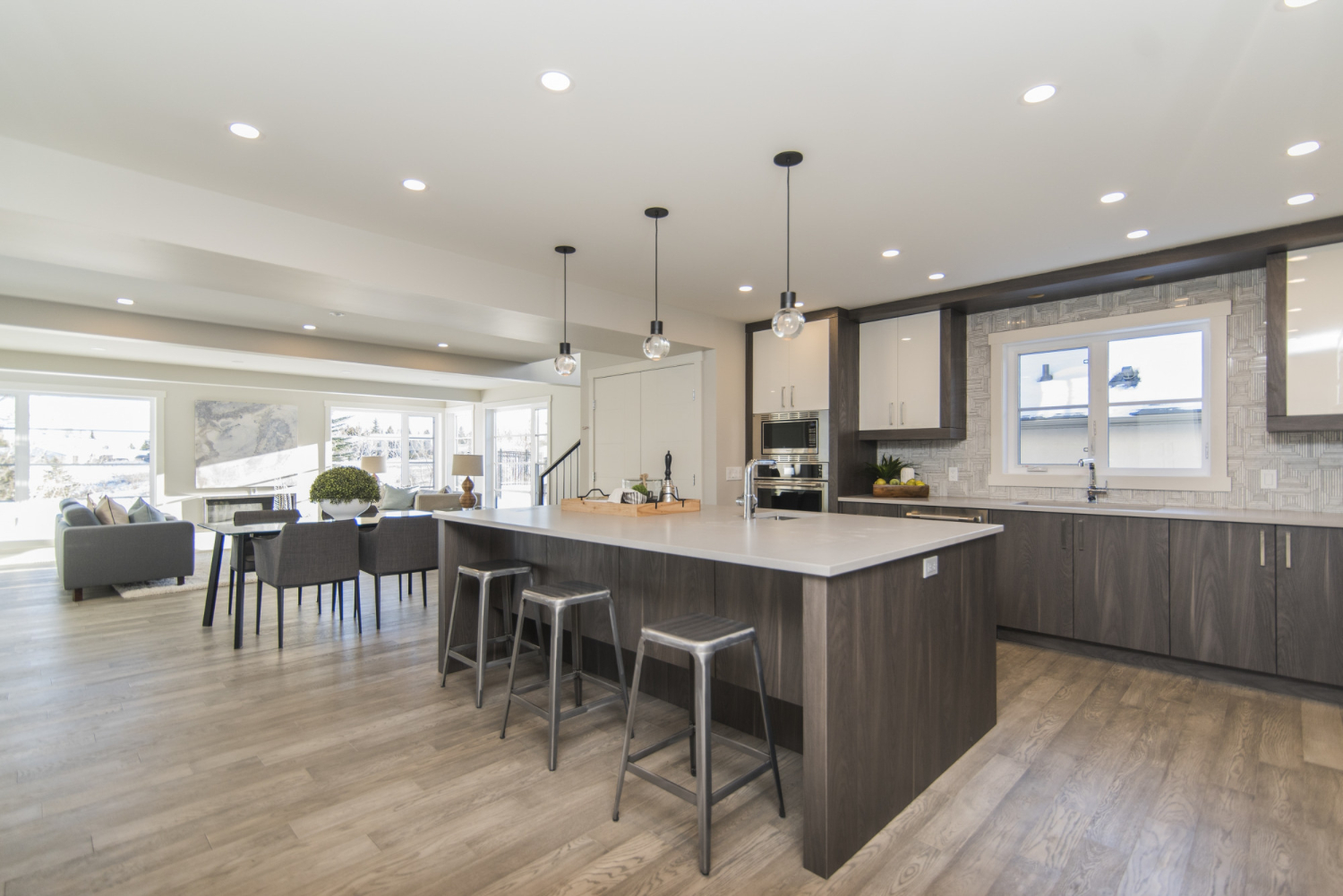
Find a Home Designed for the Way You Live
The right home should fit your lifestyle, not the other way around. Whether you need extra bedrooms for a growing family, open living spaces for entertaining, or modern features that

Stop Renting and Start Building Your Future
For many people, homeownership feels like a goal that is always somewhere in the future. The reality is that every month spent renting is a missed opportunity to invest in